The Timeless Allure of Mahjong
Mahjong is a game of strategy, skill, and a touch of luck, originating in China and cherished by millions worldwide. Its intricate tile combinations and deeply rooted history make Mahjong not just a pastime but a cultural phenomenon, captivating generations of players. With the rise of online platforms, Mahjong has transcended geographical boundaries, attracting new players eager to master its complexities. One phrase that often arises in digital discussions about Mahjong is "jili5," a term which, though seemingly enigmatic, highlights the global integration of the game. As Mahjong gains popularity, understanding its mechanics and cultural significance becomes essential.
Understanding Mahjong's Structure
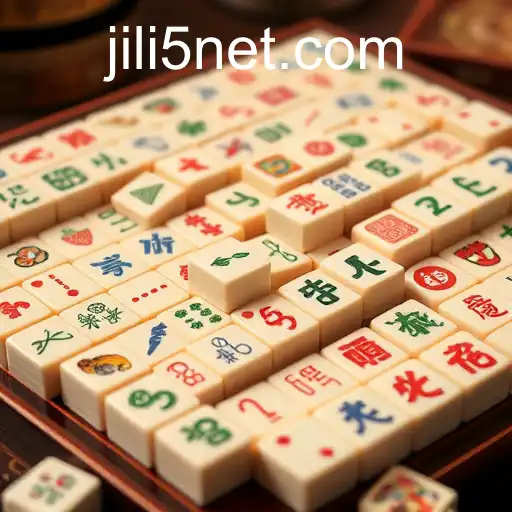
Mahjong is typically played with four players and involves a set of 144 tiles, although variations exist in different regions. These tiles are often categorized into three suits—Bamboo, Dots, and Characters—and specialized tiles such as Winds and Dragons. A key element of the game involves forming tile sets known as melds, including Pungs (three identical tiles), Chows (three consecutive tiles of the same suit), and Kongs (four identical tiles). The ultimate goal is to create a winning hand of 14 tiles through strategic draws and discards, with a winning hand called a Mahjong.
The Cultural Legacy of Mahjong
Originating during the Qing Dynasty, Mahjong became a symbol of social gatherings and family discussions across China. As a cultural artifact, it represents both leisure and intellect, engaging players in a dance of tactics and interaction. Mahjong tables were often set in family homes, and the clicking sound of tiles was a comforting background to conversations and laughter. As Mahjong spread across the world, it integrated into various cultures, adapting new rules and styles tailored to regional preferences. The American version, for instance, incorporates scoring cards that change annually, enhancing the strategic elements of the game.
Mahjong and the Digital Era
The traditional setting of Mahjong has been transformed with the advent of digital technology, allowing enthusiasts to engage with the game on digital platforms. Online Mahjong offers a new way for players to connect, learn, and compete globally. Digital adaptations preserve the core essence of Mahjong while introducing features that cater to both seasoned veterans and novices alike. The phrase "jili5" has surfaced in online communities, indicating the digital culture's unique language that emerges alongside technological advancements.
Unraveling the Mystique of "jili5"
While "jili5" might appear as cryptic jargon, its significance in online Mahjong serves as a touchpoint for camaraderie among players. This term exemplifies how the digital age has infused traditional games like Mahjong with a modern twist, showcasing innovation in player communication. Understanding such phrases is crucial to participating fully in the Mahjong community, where language evolves with the game's dynamics and adaptations.
Strategies for Mahjong Enthusiasts
For aspiring Mahjong players, strategic planning is essential for success. Observing opponents' moves, managing hand composition, and predicting potential outcomes are key to mastering the game. Familiarity with the tiles and the ability to swiftly identify winning opportunities can give players a competitive edge. Additionally, understanding regional variations adds another layer of depth, allowing players to adapt their strategies to diverse formats. This adaptability is vital for conquering both traditional tables and virtual landscapes where Mahjong thrives.
How Mahjong Connects People
Beyond its strategic appeal, Mahjong holds a unique power to bring people together. It bridges generations, connecting grandparents and grandchildren around a common interest. In many communities, Mahjong clubs and online forums like those exploring terms such as "jili5" create spaces for shared experiences, fostering friendships and cultural exchange. Whether played in a local club or against international opponents online, Mahjong champions the values of community, patience, and respect.
Conclusion
While Mahjong is a game deeply anchored in tradition, its evolution continues to amaze. From its humble beginnings to the digital era, it remains a beloved fixture that adapts and thrives. As players around the world continue to embrace Mahjong, terms like "jili5" serve as cultural milestones, enriching the dialogue and expanding the community. Mahjong’s allure lies not only in its complexity and challenge but in its ability to unite players under a shared passion, reminding us of the joy found in timeless games.